If you love decorating for the seasons but don’t want the clutter (or cost) of constantly buying new décor, faux florals offer a beautifully simple solution. With just one well-chosen vase and a thoughtfully curated collection of artificial stems, you can refresh your home for every holiday throughout the year—without starting from scratch each time.
The idea is simple: keep a base arrangement or vase in place, and swap out stems to reflect each holiday’s colors, symbolism, and seasonal mood. Not only is this approach budget-friendly, but it also allows you to reuse flowers across multiple celebrations with just a few creative tweaks.
Let’s walk through the year and explore how to style your faux florals for each season and celebration.
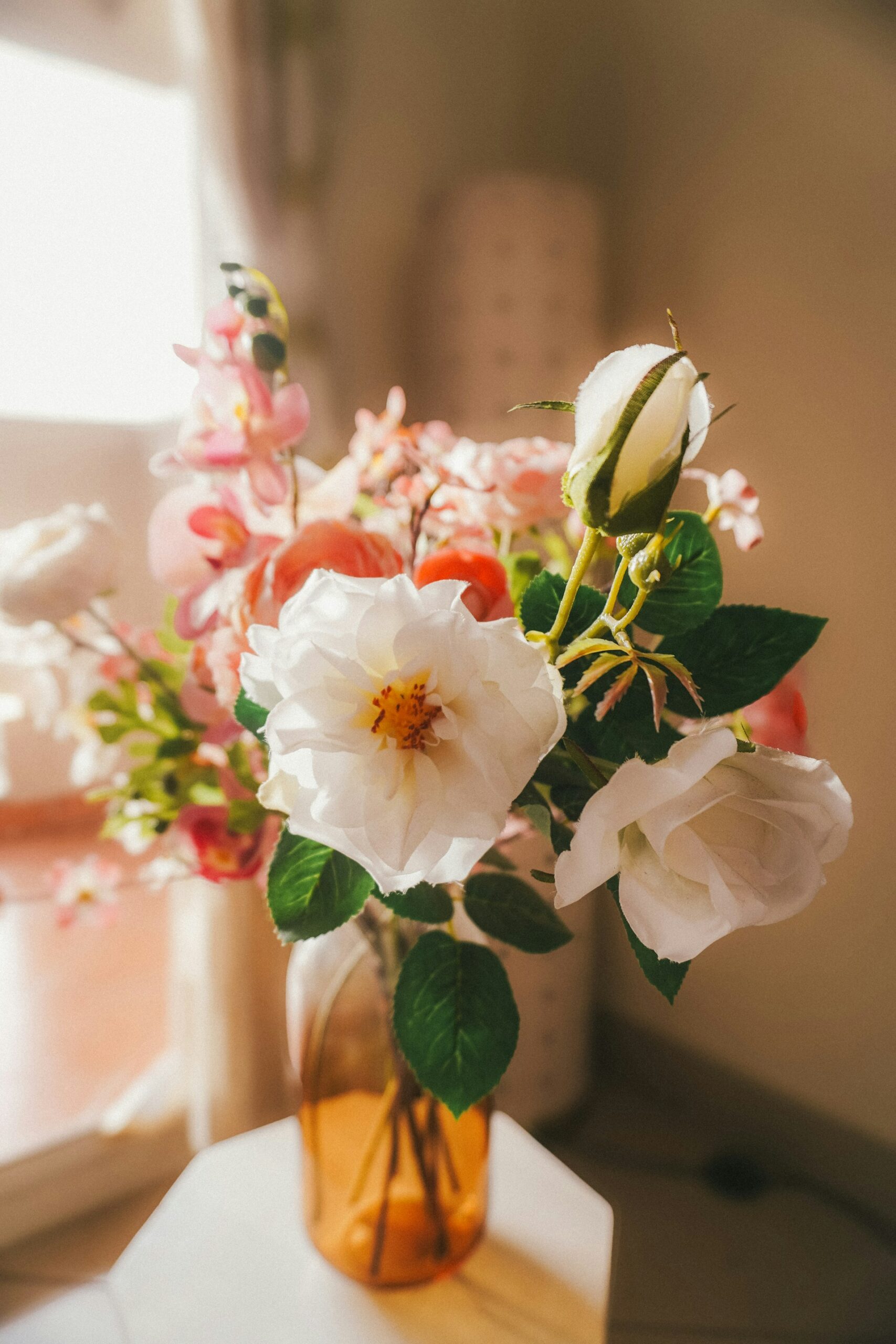
Winter & New Beginnings (January–February)
The year begins with meaningful, symbolic florals rooted in renewal and good fortune. For Japanese New Year (Shogatsu), consider building an arrangement with yellow buttercup-style blooms (representing prosperity), plum blossoms for resilience, and touches of greenery with red berries for protection and luck. Add structured elements like faux pine or bamboo stems to represent longevity and growth.
For Lunar New Year and the Lantern Festival, lean into vibrant, celebratory energy. Orchids, peonies, and narcissus flowers symbolize wealth and prosperity, while delicate plum blossoms hint at the arrival of spring. You can even incorporate stems with lantern-like shapes for a festive touch.
Valentine’s Day calls for romance—but you don’t have to stick to red roses. Mix in soft pink peonies, tulips, or even lavender-toned blooms for a more modern, layered look. Faux florals make it easy to reuse these same stems later in spring arrangements.
Early Spring (March–April)
As the seasons shift, your florals can become lighter and more delicate. For the spring equinox, opt for cheerful yellow blossoms like canola-inspired stems, along with early cherry or plum blossoms to symbolize renewal.
Easter is the perfect opportunity to embrace soft pastels. White lilies, daffodils, tulips, and hydrangeas all evoke themes of rebirth and joy. Keep your arrangement airy and fresh—this is a great time to reuse Valentine’s florals by simply mixing in lighter tones.
For Qingming Festival (Tomb-Sweeping Day), arrangements traditionally feature white and yellow blooms to honor remembrance. Chrysanthemums, white roses, lilies, and delicate fillers like forget-me-nots create a respectful, serene display.
Earth Day offers a chance to celebrate nature itself. Incorporate faux wildflowers, lavender, or greenery-inspired stems. Even better—mix faux florals with real potted plants for a layered, eco-conscious look.
Late Spring & Early Summer (May–June)
Late spring is all about abundance and color. During Golden Week, draw inspiration from cascading wisteria, soft blue florals, azaleas, and peonies. This is a great time to play with movement—choose trailing stems that spill naturally from your vase.
For everyday seasonal decorating, think lush and full. Blend pinks, purples, and blues for a romantic, garden-inspired arrangement that transitions easily into summer.
Summer Celebrations (July–August)
Summer florals should feel bright, playful, and full of life. For festivals like Tanabata, incorporate soft pinks and blues to represent love and connection, along with airy greenery or bamboo-inspired stems for height.
During mid-summer remembrance traditions like Obon or Ghost Festival, arrangements often shift to more symbolic florals. White blooms, lotus flowers, and soft greenery create a peaceful, reflective tone. You can even add lantern-inspired elements for visual interest.
For a more casual summer look, sunflowers, daisies, and vibrant greenery can carry your arrangement through everyday decorating.
Autumn Gatherings (September–November)
As the weather cools, transition your florals into warm, earthy tones. Deep reds, oranges, and golden yellows instantly create a cozy feel.
For the Mid-Autumn Festival, incorporate soft, rounded blooms in whites and creams alongside subtle greenery to reflect themes of unity and reflection.
During the autumn equinox, consider adding unique stems like red spider lilies or soft purple florals for a more dramatic, seasonal look.
Halloween and Día de los Muertos are perfect for bold statements. Marigolds, rich red blooms, and textured florals create vibrant, meaningful arrangements that honor both celebration and remembrance.
For Thanksgiving, build a full, layered centerpiece with chrysanthemums, sunflowers, roses, and textured accents like berries or dried elements. This is where faux florals truly shine—you can create that abundant “harvest” look once and reuse it year after year.
Winter Holidays (December)
Winter florals are all about richness and contrast. Classic choices like poinsettias, amaryllis, and white paperwhites bring a festive feel, while greenery and berry accents add depth.
Mix red, white, and green tones for a traditional look, or go modern with all-white florals and metallic accents. Faux arrangements allow you to experiment without commitment—swap a few stems, and your entire look transforms.
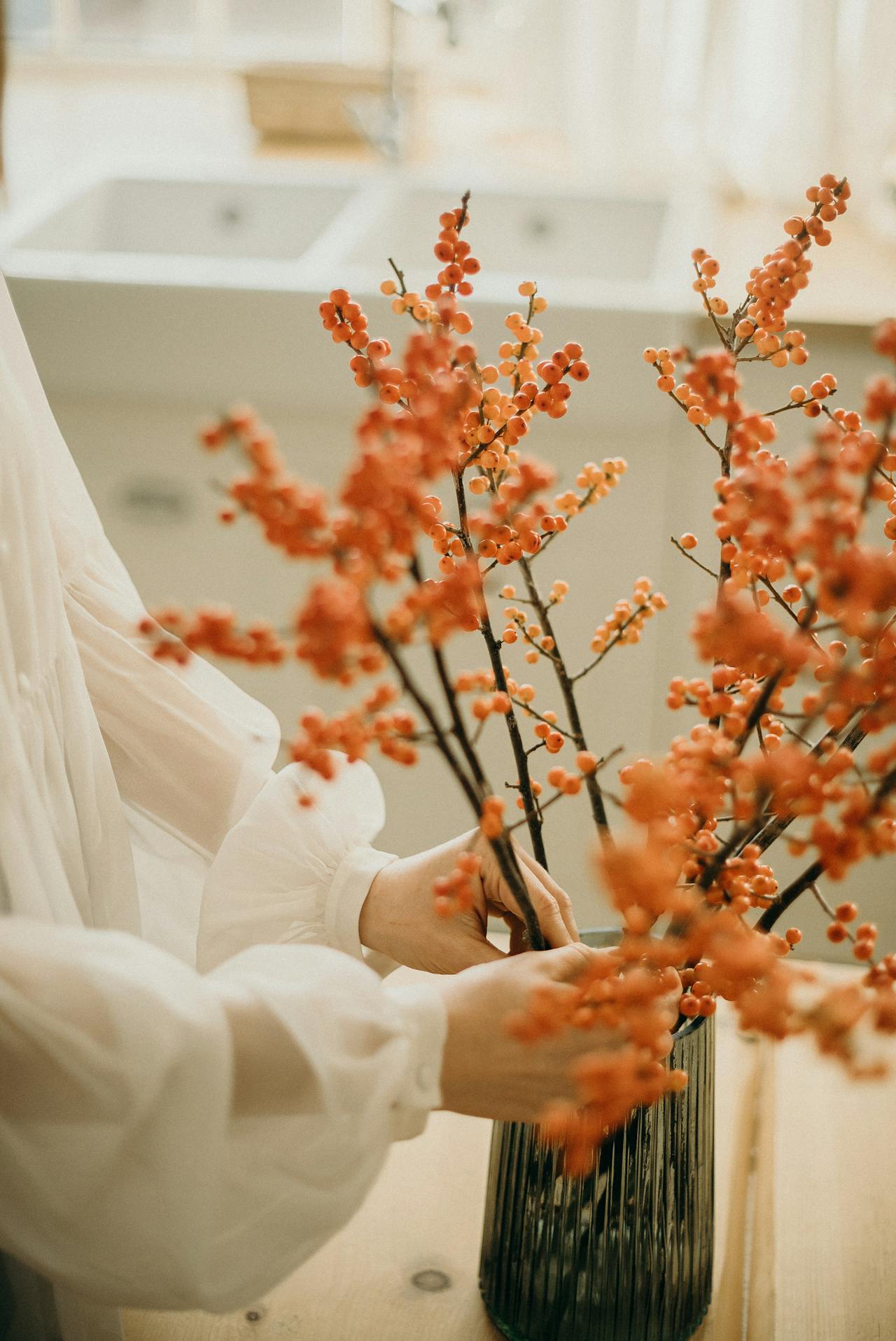
Creative Tips for Year-Round Styling
- Reuse strategically: Many flowers—like roses, chrysanthemums, and greenery—can work across multiple seasons with slight adjustments.
- Change your filler: Swapping out small accents (berries, grasses, or leaves) can completely change the mood of an arrangement.
- Play with containers: Even using the same flowers, a different vase can make the display feel brand new.
- Think beyond realism: Faux florals allow you to mix blooms that wouldn’t naturally coexist—lean into that creativity.
Decorating with faux florals isn’t about perfection—it’s about flexibility, creativity, and making your home feel alive year-round. With a little intention and a rotating selection of stems, your space can celebrate every season beautifully—no fresh bouquet required.
Quick Reference Guide:
Shogatsu (Japanese New Year):
Fukujyuso (Japanese Buttercup/Amur Adonis), Ume (Plum Blossoms), Habotan (Ornamental Kale), Nanten (Nandina/Sacred Bamboo), Mochibana (Mochi Flowers), Pine (Matsu), Bamboo (Take), Chrysanthemum (Kiku).
American New Year:
White lilies, daffodils, chrysanthemums, and vibrant red roses or amaryllis, often incorporating gold/silver accents.
Chinese New Year:
Peonies (wealth), Orchids (abundance), Chrysanthemums (longevity), Narcissus (good fortune), Gladioli (career growth), Plum Blossoms (perseverance) Anthuriums (Flamingo Lily), Kumquat Trees/Oranges, For the best luck, choose vibrant colors like red, gold, and pink to attract good fortune.
Lantern Festival/(Lunar New Year):
Orchids (wealth), narcissus (good fortune), peonies (nobility), plum blossoms (resilience), Lantern-shaped plants like Physalis alkekengi (Chinese lanterns) and Abutilon, Peonies, Chrysanthemums, Lotus Flowers.
Valentine’s Day:
Classic red roses, tulips (symbolizing perfect love), lilies (representing elegance), vibrant Gerber daisies, fragrant peonies, and orchids, which symbolize rare beauty, lavender roses, Carnations, Ranunculus. Color Meanings for Choosing: Red: Deep romantic love. Pink: Gratitude, admiration, and grace. White: Purity, innocence, and new beginnings. Lavender: Enchantment and love at first sight.
Holi:
Vibrant orange-red Palash (Flame of the Forest or Tesu), yellow marigolds for joy, hibiscus and roses for red hues, lotus for spiritual significance, Jasmine (Raat ki Raani).
Shunbun no Hi (Vernal Equinox Day):
Nanohana (canola flowers), early cherry blossoms (sakura), plum blossoms (ume), Nanohana (Rapeseed/Canola Blossoms), Botamochi.
Easter:
White Easter lily, daffodils (new beginnings), tulips (rebirth/perfect love), hyacinths (sincerity), daisies (innocence), azaleas, hydrangeas and passion flowers.
Qingming Festival (Tomb-Sweeping Day):
Primarily white and yellow blooms to symbolize grief, respect, and remembrance of the departed. Chrysanthemums, white lilies, white calla lilies, and white roses, Light-colored Carnations, Tung Flowers.
Golden Week:
Vibrant spring blooms, most notably wisteria (fuji), nemophila (baby blue eyes), azaleas (tsutsuji/satsuki), late-Blooming Sakura, Peonies and Moss Phlox (Shibazakura).
Earth Day:
Native Wildflowers: Woodland phlox, Wild ginger, Cardinal flower, and Black-eyed Susan are perfect because they support local pollinators and require less water. Pollinator Favorites: Lavender, Lupine, Allium, and Oregano attract bees and butterflies. Spring Bulbs: Tulips, Daffodils, and Daylilies. Green-Themed Flowers: Green Hydrangeas, Cymbidium Orchids, and bells of Ireland. Potted Plants: Potted herbs (like Rosemary), Succulents (Kalanchoe), and Azaleas are great sustainable alternatives to cut bouquets. Bright & Sunny: Yellow daisies, snapdragons, and sunflowers are used to signify happiness, spring, and environmental optimism.
Golden Week:
Blooming wisteria (fuji), azaleas (tsutsuji), nemophila (baby blue eyes), pink moss (shibazakura), cherry blossoms, Azaleas (Tsutsuji, Shibazakura (Pink Moss)
Tanabata Star Festival:
Asagao (Japanese Morning Glory), Bamboo (Sasa), Kaji (Paper Mulberry) Leaves, Dahlias. In Tanabata flower arrangements, pink represents tenderness, love, and romance, while blue is associated with Hikoboshi.
The Obon festival:
Hozuki (Chinese/Japanese Lantern Plant – Physalis alkekengi), Carnations and Spray Carnations, Lotus Flowers (Hasu), Misohagi (Purple Loosestrife – Lythrum anceps), White Chrysanthemums, Red Spider Lilies (Higanbana).
Ghost Festival (Hungry Ghost Month):
Chrysanthemums, lotus flowers (especially white), marigolds, Red Spider Lily (Bǐ’àn huā), Ghost Orchid/Ghost Plant (Monotropa uniflora). In Chinese tradition, white and yellow flowers (like chrysanthemums) are preferred for offering to the deceased, whereas brightly colored or red flowers might be avoided.
Peace:
Lavender, white poppies, Lotus flowers, Peace Lily (Spathiphyllum), Violets, White Roses, Peony, Chamomile.
Mid-Autumn (Moon) Festival:
Osmanthus, white chrysanthemums (longevity), peonies (wealth), Lotus (purity), Moonflower (Ipomoea alba).
Aki no Higan (the Autumnal Equinox):
Red Spider Lily (Higanbana or Manjushage), Cosmos (Akizakura), Japanese Gentian (Rindou), Osmanthus (Kinmokusei), Japanese Toad Lily (Hototogisu).
Double Ninth Festival (Chongyang Festival):
Chrysanthemums, Dogwood (Zhuyu).
Dussehra, or Vijayadashami:
Marigolds (Genda Phool) (orange and yellow), red hibiscus (for Goddess Durga), chrysanthemums, roses, lotus, Jasmine, Apta Leaves (Bauhinia racemosa), Mango Leaves.
Día de los Muertos:
Marigold (cempasúchil), red cockscomb (for passion), white baby’s breath (for purity), chrysanthemums (Crisantemos), and pink gladiolus.
Diwali:
Marigolds (Genda Phool), lotus (Kamal) (associated with Goddess Lakshmi), roses (shades of red, pink, and yellow), jasmine (Mogra/Chameli), Chrysanthemums (Shevanti), Tuberose (Rajnigandha), Aparajita (Butterfly Pea).
Thanksgiving:
Chrysanthemums (joy, longevity), sunflowers (adoration, harvest), roses (Orange and yellow) (gratitude), marigolds (gratitude/hardiness), Carnations (admiration), Peruvian Lilies (Alstroemeria), Calla Lilies. Colors: Golden yellows, deep oranges, rich burgundies, and bronze. Accents: berries, dried wheat, rustic foliage, or rustic containers.
Christmas:
Red and green Poinsettia (Euphorbia pulcherrima), Amaryllis, Christmas Cactus (Schlumbergera), and Hellebores (Christmas Rose), white Paperwhites, red roses, mistletoe, and holly.




Leave a Reply